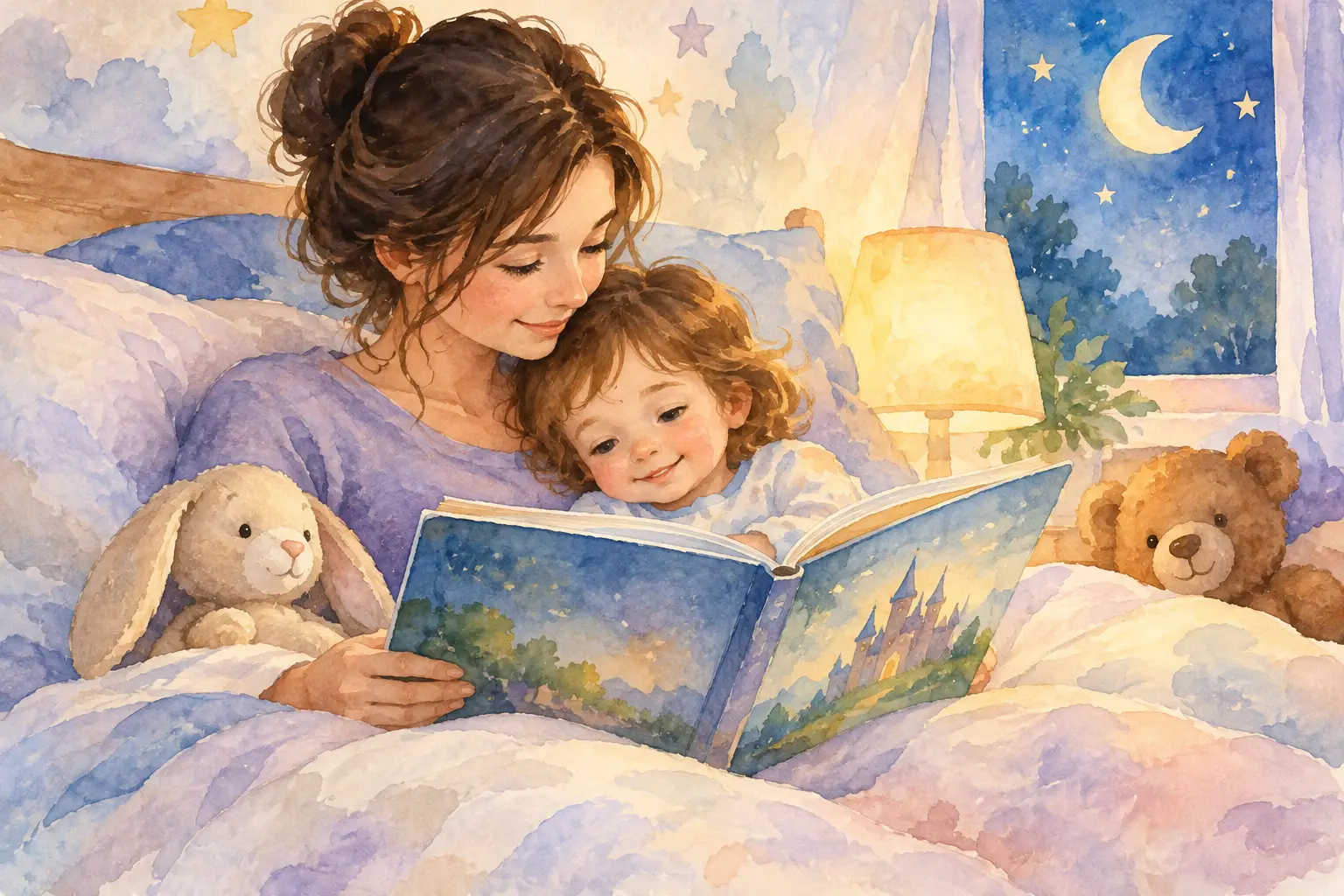
Some nights, your toddler wants the same book for the fifteenth time. Other nights, they are too wiggly, too tired, or too determined to negotiate one more glass of water. Personalized bedtime stories for toddlers can meet them right in that moment, with a familiar little hero, a gentle adventure, and a reason to settle in close.
When a child sees their own face, name, and personality reflected in a story, reading can feel less like being asked to sit still and more like being invited somewhere special. A dinosaur can be friendlier when it is waiting for them. A moonlit space mission feels cozier when they are the brave explorer headed safely home.
Why toddlers love seeing themselves in a story
Toddlers are busy figuring out who they are. They recognize their favorite pajamas, their stuffed animal, the route to Grandma's house, and the sound of their own name. A story that includes those familiar pieces has an instant point of connection.
That connection can make bedtime reading more engaging. Instead of asking, “What happens next?” your child may proudly announce, “That’s me!” They may point to the picture, remember what happened on the previous page, or retell the adventure in their own spirited way. Those small moments support the back-and-forth conversation that makes story time so valuable.
Personalization also gives parents a lovely way to reflect a child’s interests. A toddler who currently roars at every dog they meet may light up at an animal rescue adventure. A child who wears a cape to breakfast may be ready to save the neighborhood before brushing their teeth. The story does not have to be complicated to feel magical. It just needs to feel like it belongs to them.
The bedtime benefit is comfort, not just excitement
A great toddler bedtime story has a different job than an afternoon adventure. It can still include dragons, pirates, fairies, or faraway planets, but its energy should gradually soften. The best ending brings the child back to safety, warmth, and sleep.
That matters because routines help young children know what comes next. When bath time leads to pajamas, pajamas lead to a favorite story, and a favorite story leads to cuddles and lights out, bedtime can feel more predictable. A personalized book adds another familiar cue: your child is not only hearing the story, but returning to a version of themselves that is capable, loved, and safely tucked in.
This does not mean every evening will suddenly be tear-free. Toddlers still have big feelings, shifting schedules, and very strong opinions about socks. But a consistent story ritual can offer a calm landing place after a full day.
Choose adventure themes with a gentle finish
Toddlers love excitement, but the theme should match your child’s temperament. A child who enjoys a little suspense may happily help a friendly dragon find its way back to a cozy cave. A more sensitive child may prefer a garden fairy, underwater treasure hunt, or animal friendship story.
For bedtime, look for stories that move from discovery to reassurance. The hero can solve a small problem, help a friend, or explore somewhere wonderful, then return home for rest. A superhero story can end with the city safe and quiet. A space adventure can end with a sleepy ride past twinkling stars. Even a pirate tale can finish with the ship anchored in calm water.
If your toddler is easily startled, skip scary villains, loud conflict, or intense images close to bed. The right story is the one that leaves them smiling, not asking you to check the closet.
How to create personalized bedtime stories for toddlers
Making a custom story does not need to become another project on your already full parent list. The simplest approach is to start with what your child already loves, then make a few choices that fit your family’s nighttime rhythm.
With LittleStories, the experience is designed around three easy steps: upload a photo, select an adventure theme, and choose a page count. From there, you can create a story that feels wonderfully personal without needing to write, illustrate, or design anything yourself. 📚✨
Start with a photo that feels like them
Choose a clear photo where your toddler’s face is easy to see and their expression feels natural. It does not need to be a formal portrait. A happy snapshot from the park, a photo in their favorite shirt, or a sweet close-up can be perfect.
Think about what you want your child to recognize. For some families, seeing a familiar smile is enough. For others, a beloved hairstyle, glasses, or treasured outfit becomes part of the joy. Before you begin, make sure you are comfortable with the image you select and use the account settings available to keep your family’s library organized.
Pick a theme they are already talking about
The easiest way to hold a toddler’s attention is to follow their lead. Notice what shows up in pretend play, car conversations, and the toys they carry from room to room. Their current fascination is your best clue.
A child obsessed with construction vehicles might enjoy a community hero mission. A little one who collects rocks and pretends they are eggs may love a dinosaur adventure. If they are practicing bravery around new experiences, a gentle princess, dragon, or superhero story can give them a playful way to imagine being capable.
Themes can also make books feel fresh across the week. You might return to the same cozy animal story often, then create a new underwater adventure for a weekend treat. Familiarity is comforting, but a little novelty keeps the ritual fun.
Choose a page count that fits your real bedtime
Page count is more than a preference. It helps you match the story to your child’s attention span and the kind of night you are having.
On a busy weekday, a shorter story may be exactly right. It gives your toddler a complete beginning, middle, and peaceful ending without stretching the routine too long. On a slower night, a longer adventure can become a special shared experience, with time to pause at pictures, ask questions, and let your child narrate what they see.
There is no prize for finishing a longer book. If your toddler loses focus halfway through, save the rest for tomorrow. If they ask for the same story again, that is not a sign to rush on to something new. Repetition is how many young children build confidence with language and story structure.
Make the story part of a calming ritual
A personalized eBook can be a bright, engaging part of bedtime, especially when you keep the setting simple. Dim the lights, settle into one familiar spot, and let the story become the signal that the day is slowing down. If you read on a device, lowering brightness and putting away other notifications can help keep the moment focused on the book rather than the screen.
Try reading with a soft, unhurried voice. Pause when your child spots themselves in an illustration. Ask one easy question, such as, “Where do you think you’re going next?” or “How do you think your animal friend feels?” For toddlers, there is no need to turn every page into a lesson. A few warm exchanges are plenty.
You can also build tiny traditions around the story. Perhaps your child says goodnight to the character on the final page, chooses the next night’s adventure after dinner, or hugs a matching stuffed animal while listening. These rituals are small, but they help turn a digital book into a family memory.
Let the story grow with your child
Your toddler’s favorite subject may change quickly. One month it is rockets. The next, it is puppies, fire trucks, or a very serious devotion to purple fairies. That is part of the fun of a personal story library: it can capture the season your child is in right now.
As language grows, your child may begin supplying lines, noticing details, or inventing new endings. Let them. A bedtime story is not a performance that has to be read perfectly. It is shared time, and shared time is where imagination gets stronger.
Tonight, choose an adventure that feels like your child: brave, curious, silly, gentle, or all four before breakfast. Then snuggle in, turn the page, and let the magic begin.